Motorhome Roof Replacement in College Station, TX: When to Repair and When to Replace

Finding a stain on your ceiling, noticing a soft spot underfoot, or dealing with your third leak in two seasons can be frustrating. These issues often leave owners wondering if they should keep patching the problem or if it is time for a more permanent solution. This guide, written by Peter Martin, General Manager, comes from a roof-only shop in College Station, Texas. We will cover what Texas weather does to a motorhome roof, signs it is time for a change, what a full replacement involves, how pricing works, and the next step.
Key Takeaways
- A roof that keeps leaking after repairs usually has a problem underneath the surface, not just a bad seam.
- Texas sun, heat and moisture wear a motorhome roof down over time, and soft decking is the real warning sign.
- A complete replacement means the damaged decking is fixed before the new roof goes on, so the surface is sound.
- Replacement is priced per linear foot and quoted only after a free roof evaluation, so ask for the evaluation before you decide.
- Nomad RV Works does roof work only, and can arrange pickup and transport if getting the motorhome to the shop is the hurdle.
Is Your Motorhome Roof Beyond Repair?

A repair fixes a specific spot, while a replacement addresses the roof as a whole. If water keeps finding new ways in despite your best efforts to patch it, the roof as a whole is likely the problem rather than just a single bad seam. This is a common distinction in our work at the shop in College Station.
A motorhome roof is a large, flat area with many penetrations, including vents, skylights, and rooftop AC units. Because there are so many places for a seal to fail, the complexity of the roof is higher than that of smaller trailers. For those who travel long distances or live in their vehicles, the stakes are higher. A leak that goes unnoticed can quickly damage the ceiling and the structure below. Many owners find that while some shops treat every RV the same, motorhomes require a more thorough inspection of the entire surface.
At Nomad RV Works, we evaluate the condition of the whole roof and what is happening underneath it, not just the visible problem. We provide motorhome roof replacement, as well as services for fifth wheels and travel trailers. Whether you are in College Station or traveling from out of state, understanding the true condition of your roof is the first step in deciding if a repair or a full replacement is the right path for your motorhome roof replacement needs.
How Texas Heat, UV and Humidity Wear Down a Motorhome Roof
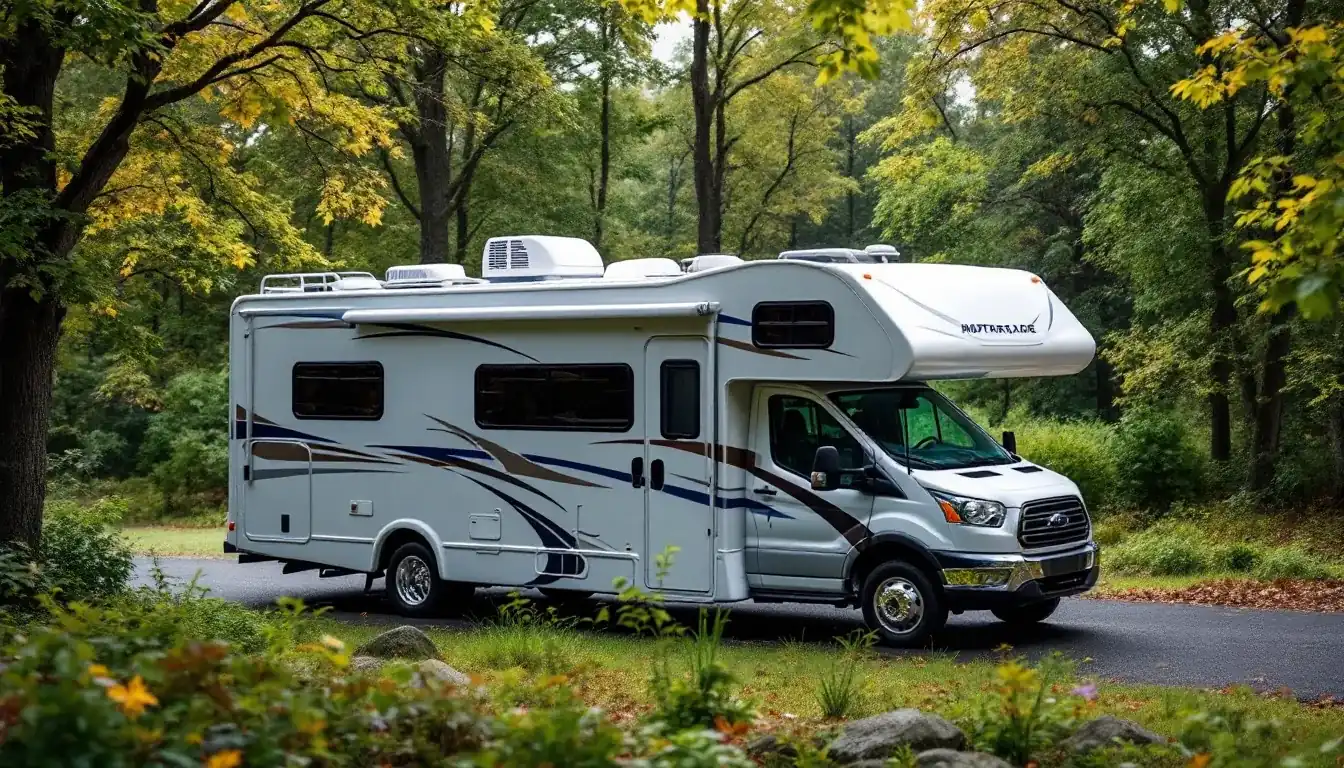
The climate in Texas presents specific challenges for any RV owner. In areas like College Station, the combination of intense solar radiation and high moisture levels creates a harsh environment for roofing materials. Understanding how these elements interact with your motorhome roof can help you identify the difference between a simple surface issue and deep structural damage.
What sun and heat do to the surface
Long hours of strong sun and heat cause the roofing material on your motorhome to age. This exposure often makes the surface material dry out, crack, or become chalky. As the material degrades, you might notice lifting seams or cracked sealant around vents and other rooftop accessories. This degradation is often visible on the exterior, but the real danger occurs when these cracks allow water to penetrate the outer layer. Once the surface has opened up, moisture can begin to seep into the layers beneath the material.
What moisture does underneath
Once water gets past the surface, it creates significant structural risk. The water soaks into the decking and the insulation, and the humid weather in Texas can prevent that moisture from drying out. This leads to a progression of issues including soft spots, rot, mold smells, or ceiling stains. Because this damage is often hidden from view, a soft spot underfoot is a clear sign that the problem is already occurring below the surface. Addressing these issues early is vital to maintaining the condition of your motorhome roof.
Signs a Roof Replacement Makes More Sense Than Another Repair
Deciding whether to invest in a simple patch or a complete roof replacement depends on the current condition of your vehicle. While a small leak might only require a targeted repair, certain indicators suggest the entire system has reached the end of its functional life.
Signs on the roof and the ceiling
When evaluating your motorhome, look for these common indicators that the damage is widespread:
- Soft or spongy spots when you walk or press on the roof
- Repeated leaks that reappear shortly after a repair
- Stains or bubbling on the ceiling interior
- A persistent musty smell inside the cabin
- Cracked or lifting material across the surface
- Patches stacked on top of older patches
The presence of soft spots indicates that the decking underneath is compromised. In these cases, a surface repair will not solve the underlying issue. If you notice these signs, do not go up on a damaged roof. Instead, have the unit evaluated to determine the true extent of the damage.
Patching again versus replacing once
To make a choice between patching again or committing to a replacement, add up what you have already spent on individual patches, sealant, and repeat service visits. Consider also the potential cost of any internal damage caused by ongoing leaks. When you compare those cumulative costs against the price of a single complete roof replacement, you can decide which path is better for your situation. Repeatedly patching a roof that is worn out in many places only buys you more time rather than a permanent solution. A patch is the right call when the roof is otherwise sound and the problem is limited to one local spot. For more details on pricing, visit our roof replacement cost page.
Checking the roof before you buy a used motorhome
A thorough inspection can save you from expensive surprises when buying a used motorhome. Check the ceiling and corners for water stains and press around vents, skylights, and the rooftop AC unit for softness. Inspect the sealant and seams for cracks, and check the interior for musty smells, especially in cabinets or over the cab. If anything looks questionable, have the roof evaluated before you finalize the purchase. You should factor the potential cost of a replacement into your purchase price. Remember, a detailed quote is only provided after a free roof evaluation.
What a Complete Motorhome Roof Replacement Includes
A complete roof replacement is a major undertaking that addresses the structural integrity of the top of your vehicle. It is important to understand the scope of our services. Nomad RV Works specializes in roof work only. We do not perform work on walls or siding. Our focus is on ensuring the top of your motorhome is sealed and sound through a comprehensive system.
What happens, step by step
The process begins with a thorough evaluation of the roof and what is happening underneath the surface. The shop describes its work as not being a paint-on coating over existing problems. First, we remove any worn material. If we find rotten or damaged decking, we replace that decking before the new roof goes on. Once the surface is prepared and the substrate is solid, we apply the roof system. This process includes all necessary components such as vents, skylights, rooftop AC, and other roof accessories to ensure the entire area is protected.
Roofing materials explained for Texas heat
Different materials react differently to the intense sun found in Texas. EPDM is a rubber membrane that is easy to work with but can be prone to punctures. TPO is a white thermoplastic membrane that reflects heat well, though it requires specialized installation. Fiberglass provides a rigid, one-piece surface but can be heavier. In this climate, reflective surfaces and having fewer seams are important factors. Nomad RV Works applies a sprayed roof system described as seamless protection across the RV roof. You can ask about this system during your free evaluation.
How long it takes
We know that being without your RV is a major inconvenience. A typical motorhome roof replacement takes 2 to 3 days, depending on the condition of the roof and what is discovered once we begin the work. There are exceptions to this timeline, particularly if significant rot is found under the surface that requires extra time to fix. If you live in the motorhome while it is in the shop, Nomad arranges and covers a hotel for you.
What a Motorhome Roof Replacement Costs and How Insurance Fits
Understanding the cost of a motorhome roof replacement depends on several factors. Pricing for this service typically ranges from $200 to $300 per linear foot. Because every vehicle is different, we provide a specific quote only after a free roof evaluation. The final number is driven by the total length of the roof, the current condition of the material, and any issues found underneath the surface during the inspection.
If you are dealing with an insurance claim, Nomad RV Works can help by providing an inspection report and repair information for your records. You will need to contact your insurance provider to discuss your specific coverage and how to proceed with a claim. Please note that Nomad does not contact insurers or adjusters directly, and the customer pays Nomad directly for all services. For a more detailed look at how we approach these projects, you can visit our roof replacement cost page. If you have questions about your specific situation, contact us to schedule an evaluation.
Why College Station RV Owners Choose Nomad RV Works
Nomad RV Works operates with a strict focus on roof work: we provide repairs and full roof replacements, and nothing else. This specialization allows us to focus entirely on the specific services we offer to motorhome, fifth wheel, and travel trailer owners.
Our process begins with a free roof evaluation to determine the actual state of your structure, followed by a quote. We make sure that rotten or damaged decking is replaced before the new roof goes on to ensure the foundation is solid. We are Aggie owned and operated. While we opened in August 2026, we currently hold a 5.0 Google rating from 2 reviews.
We serve owners in College Station, Bryan, Austin, and San Antonio. If you are an owner from outside Texas or if getting your motorhome to our College Station shop is a challenge, we can arrange pickup and transport. Our goal is to provide straightforward services for those needing serious roof work.
Pickup, Transport and Where Nomad Serves Owners
All motorhome roof replacement and repair work is performed at our College Station shop. This guide does not describe a mobile service, but we understand that getting a large vehicle to the shop can be a challenge. To make the process easier, pickup and transport can be arranged. If you currently live in your motorhome, Nomad arranges and covers a hotel while a lived-in RV is in the shop.
Our service area includes College Station, Bryan, Austin, and San Antonio. We also accept RVs from outside Texas. If you are located in the Austin area, you can find more information on our Austin page.
You can contact us to discuss your service needs or to request an evaluation. We are located at 4133 Ashley Ln, Unit 100, College Station, TX 77845. Our shop is open Monday to Friday from 7:30am to 5pm. You can reach us by phone at (979) 589-8117.
FAQ
How do I know if my motorhome needs a full roof replacement or just a repair?
A repair is usually the right choice for a single local problem on a roof that is otherwise sound. If you are dealing with repeated leaks, soft spots, or widespread wear, you likely need a replacement. A free roof evaluation settles this because it looks at the condition underneath the surface.
How long does a complete motorhome roof replacement take at Nomad RV Works?
A typical replacement takes 2 to 3 days, depending on the condition of the roof and what is found once work begins. Exceptions can happen if significant rot or hidden damage turns up once the old material is removed and the decking is inspected.
How much does a motorhome roof replacement cost in College Station, TX?
Pricing typically ranges from $200 to $300 per linear foot. A specific quote is provided only after a free roof evaluation is completed. The final price depends on the length of the roof, its current condition, and what is found underneath the surface. You can find a more detailed breakdown on our cost page.
Does Nomad RV Works offer mobile motorhome roof replacement services?
The work is performed at our College Station shop rather than at your location, and this guide does not describe a mobile service. However, we can arrange pickup and transport if getting your motorhome to us is a challenge. We also arrange and cover a hotel if you live in your RV while it is in the shop.
What roofing materials do you use for motorhome roof replacements in Texas?
Nomad applies a sprayed roof system described as seamless protection. This is applied after the worn material is replaced and the surface is properly prepared. You can ask about this specific system and how it compares to other materials during your free evaluation.
Is motorhome roof replacement covered by RV insurance?
Coverage depends entirely on your specific policy and the cause of the damage, so you should contact your insurer to discuss your coverage. Nomad provides an inspection report and repair information for insurance claims, but the customer deals with the insurer and pays Nomad directly.
If you need professional help, Book a free roof evaluation. Describe your motorhome and the specific roof problem you are facing, and we will provide a quote. You can also reach us at (979) 589-8117.