
RV Roof Maintenance in Texas: What to Check, When to Do It, and When to Call a Pro
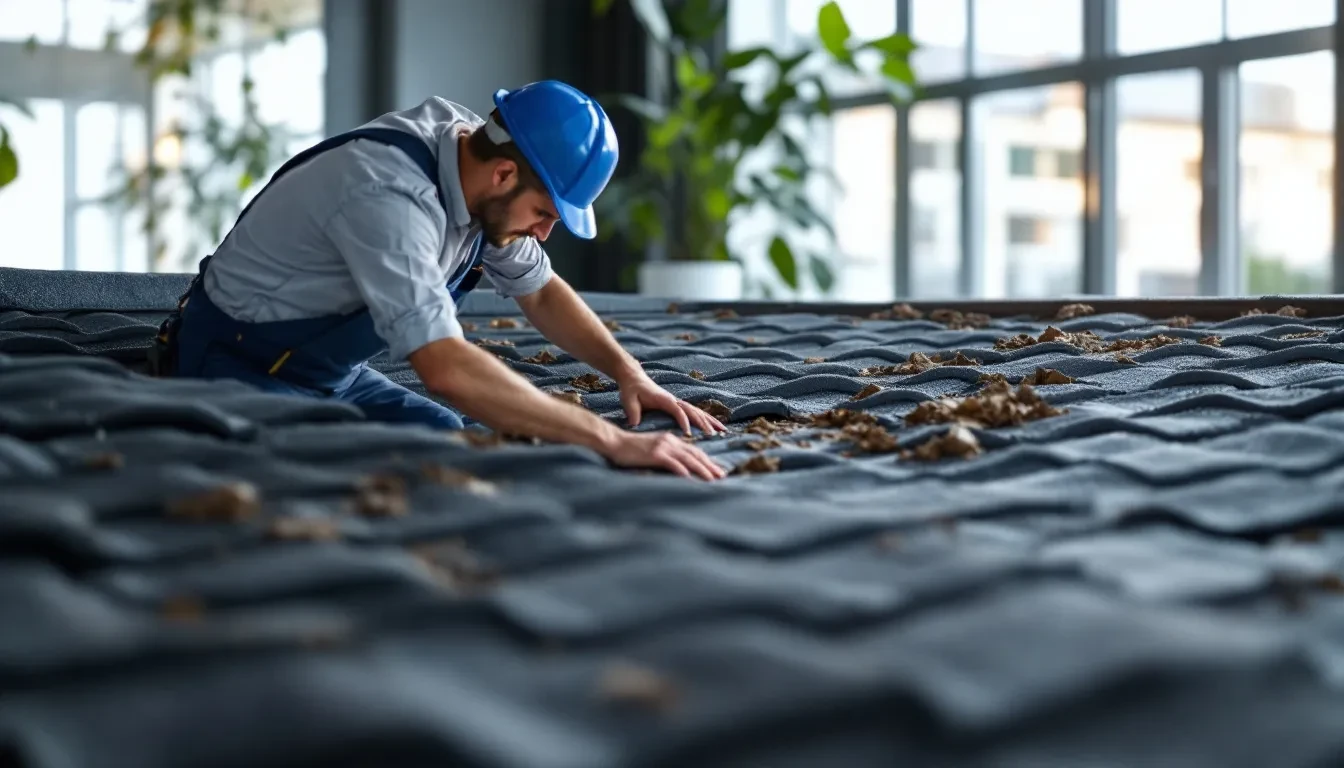
Texas sun and storms wear on an RV roof year round, and most leaks start small and quiet. This guide covers what maintenance means by roof type, a Texas seasonal schedule, coatings and sealants, how a roof problem reaches the rest of the RV, and when to call a roof shop. Nomad RV Works in College Station, TX is a roof only shop, and this guide is written from that roof only point of view. Regular maintenance catches small things early, but it cannot fix soft decking or a worn out roof.
Key Takeaways
- Maintenance means checking seams, sealant, penetrations and the roof surface on a schedule, and the right care depends on whether the roof is TPO, EPDM rubber or fiberglass.
- In Texas, schedule roof checks around the hot season and after any hail or storm, and check more often as the RV ages or if it is used or stored in full sun.
- A coating or sealant is upkeep for a sound roof. It does not repair soft decking or hide a leak that is already inside the roof.
- A roof leak rarely stays a roof problem: water reaches walls, floors, wiring and plumbing, so early repair costs less than late repair.
- If you find soft spots, repeated leaks or a worn out surface, request a free roof evaluation from Nomad RV Works.
RV Roof Maintenance by Roof Type: TPO, EPDM and Fiberglass
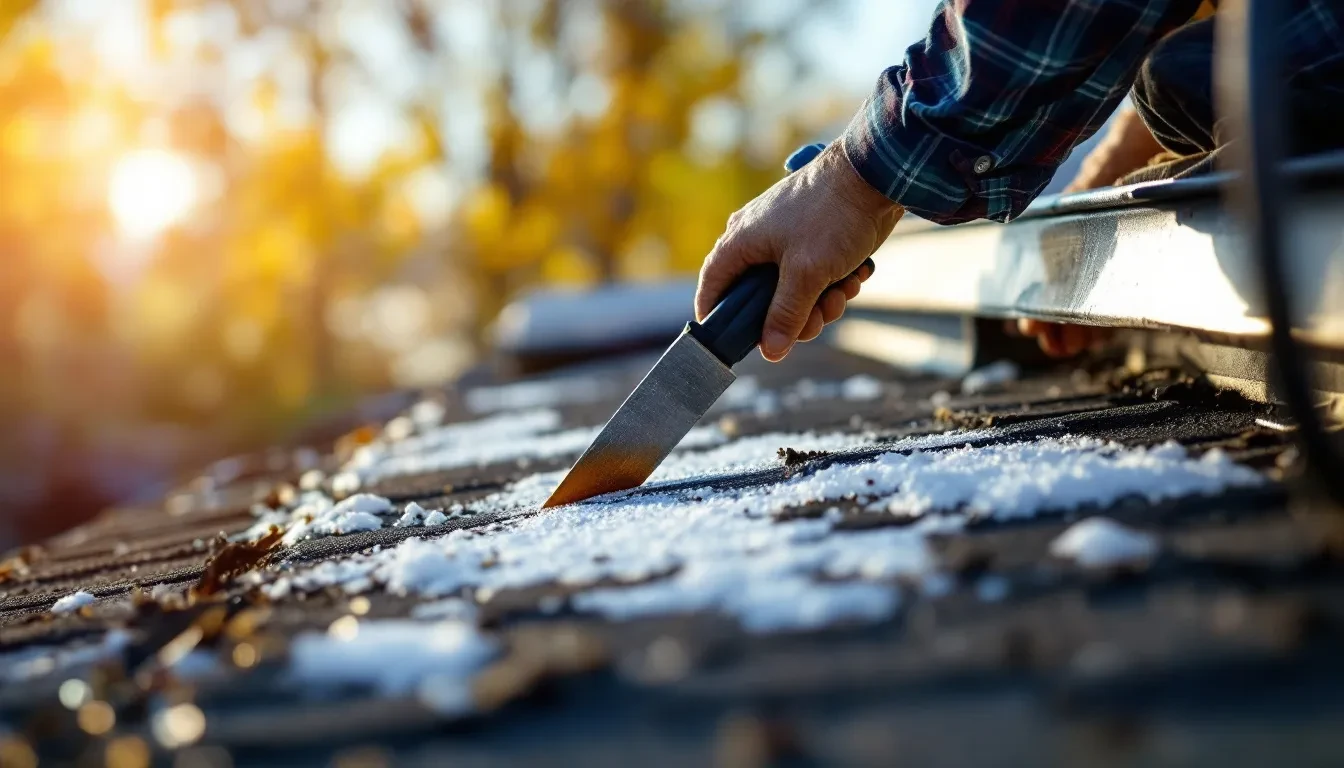
Roof maintenance means keeping the surface clean, keeping seams and sealant intact, and watching every place something passes through the roof. You must first find out what your roof is made of because cleaners and coatings that suit one material can hurt another. Check your owner's manual or the manufacturer for specific instructions. Knowing your roof exterior is the first step before you start any repair or upkeep routine.
TPO and EPDM (rubber) membranes
These are single sheet membrane roofs. Maintenance mostly involves gentle cleaning with a material safe cleaner, then checking seams, edges and the lap sealant around vents and fixtures. Look for lifted edges, cracked or pulled away sealant, a chalky or thinning surface and punctures. For a deeper TPO read, visit this TPO resource.
Fiberglass and other rigid roofs
Rigid roofs are a one piece shell, so the watch items are surface crazing, hairline cracks, chalking from UV, and the seals where fixtures meet the shell. Foot traffic and tree limbs matter more on these roofs, so look after limbs and check after storms. If you are unsure of the material, an evaluation is a simple way to find out.
A Texas Seasonal RV Roof Maintenance Schedule

This is a general schedule for service and maintenance, not a manufacturer requirement. Follow your owner's manual if it differs from these suggestions. In Texas, the weather patterns influence how you manage your roof maintenance.
A year on the roof in Texas
Spring: After the season for storms and hail, do a full check of the roof surface, seams, and sealant. Use this time to clean the roof and remove debris. Early summer: Confirm everything is sealed before the long, hot stretch of the year. In Texas, UV exposure and heat are what age a roof. Fall: Recheck the condition after the summer heat. Deal with any sealant that has cracked and make sure the RV is ready for winter travel or storage. Any time: Inspect the roof after any hail, heavy storm, or a fallen tree limb.
How often by age and use
Newer RVs that are stored out of the sun or kept under a cover can follow a lighter maintenance schedule. Older RVs, vehicles parked in full sun, and RVs that travel frequently need checks more often. There is no magic number for how often to inspect, so it is a judgment call. Check more often once a roof is aging or if it has had a past leak. If a roof keeps needing new sealant, it is telling you something and may be ready for a professional look.
Common RV Roof Problems in College Station and the Signs You Need Repair
Knowing the difference between routine upkeep and actual damage helps you decide when to call a professional service. In College Station, the sun and seasonal storms can accelerate wear. Look for specific signs that indicate your roof is failing. Common warning signs include water stains or dark marks on the interior ceiling, a persistent musty smell inside the cabin, or visible bubbling and sagging on the roof surface. Physical changes like a spongy or soft feel underfoot are serious indicators that moisture has reached the structural layers. You might also notice cracked or missing sealant around vents, or membrane edges that are peeling or lifting away from the surface.
It is important to understand what these signs mean. Cleaning and resealing is standard maintenance, but soft spots usually point to wet and damaged decking underneath the membrane. If you see repeated leaks or a worn out surface, you are moving from maintenance into the territory of repair or replacement. Identifying these issues early can prevent small leaks from turning into major structural problems. If you have already noticed soft spots or recurring leaks, you can request an evaluation for decking and soft spot repair to address the core of the issue.
RV Roof Coatings and Sealants: What Works in Texas Heat
Sealant and coatings serve two different jobs. Sealant keeps water out of seams, vents, and fixtures. It is a tool for waterproofing specific penetrations. A coating is designed to protect the entire roof surface from weather. In the Texas heat, many owners look for reflective coatings to help protect the surface from UV damage.
The right choice depends on your specific roof material and its condition. Check compatibility with your roof manufacturer before buying any product. A coating is meant for a sound roof. If you apply a coating over soft decking or an active leak, you only hide the problem while the damage underneath continues to grow. Nomad RV Works offers seamless spray-on RV roofing as one of its services. The right option depends on what the roof needs after a professional evaluation. Whether you need a repair or a full replacement, the goal is to maintain a solid barrier against the weather.
How RV Roof Issues Connect to Plumbing, Water and Electrical Systems
A neglected roof rarely causes damage in isolation. Water follows a predictable path once it breaches the exterior. It enters through a roof opening, then moves into the wall and ceiling cavities. From there, it reaches the floor and subfloor. Because wood and insulation can hold moisture long after the rain stops, the damage can continue to spread deep inside the structure.
This moisture creates significant risks for your internal systems. For the electrical systems, water near roof mounted fixtures, lights, wiring runs, or the rooftop AC can lead to short circuits and corrosion. The plumbing and water systems are also at risk. Leaks around roof vents and fixtures can wet the areas where plumbing and water lines run. Constant moisture in these areas speeds up the development of mold and corrosion. The repair gets larger and more expensive the longer water gets in. If you have noticed that your roof already feels soft, it is a sign that water has already moved past the surface and is affecting the internal components.
RV Roof Repair Services at Nomad RV Works
Nomad RV Works is a specialized shop located in College Station, TX. We focus exclusively on the roof. Our team provides a specific range of services including RV roof repair, full RV roof replacement, RV roof leak repair, and RV roof decking and soft spot repair. We also offer seamless spray-on RV roofing and provide RV roof accessories: vents, skylights and rooftop AC. Our shop is designed for owners dealing with leaks, soft spots, or a worn roof.
If you need a repair service, you can contact us at (979) 589-8117 or visit https://nomadrvworks.com to learn more about our work. For those dealing with insurance, please visit our insurance claims page for more details.
Mobile Visit or Shop Visit, and Where We Serve
If you are looking for mobile repair and need to know if we offer mobile service, the quickest way to get an answer is to call (979) 589-8117. Generally, larger roof projects such as full replacements or repairing damaged decking are often easier to manage under the controlled conditions of a shop rather than in a driveway. This is a general point regarding the nature of heavy roof work, as a shop environment provides a more stable and predictable workspace for the crew to perform a thorough job.
Our service area includes College Station, Bryan, Austin, and San Antonio. If you are located in any of these surrounding cities, you can request a professional evaluation. To get started, use the contact page to request an evaluation and describe your RV and the roof problem you are experiencing.
What the Google Reviews Say About Nomad RV Works
If you want to see what others have said about our repair service, you can check our Google profile. We currently have a 5.0 star rating based on 2 reviews. This is a small sample of feedback, but you can read the reviews on Google for yourself. If you have specific questions about our repair service, you can always call our shop directly to get answers from our team.
FAQ
How often should I have my RV roof inspected in Texas?
You should have your roof inspected at least twice a year. It is also wise to perform a check after any significant hail or storm. If your RV is older, parked in full sun, or has had previous leaks, you should inspect it more frequently. A professional evaluation is recommended if you notice any warning signs or if the roof is aging.
What are the signs that my RV roof needs immediate repair?
Watch for soft or spongy spots when walking on the roof, active leaks inside the cabin, or visible stains on the ceiling. You should also look for sagging, bubbling, or large cracks in the sealant. If you see these signs, stop using the affected area and have the roof inspected before the next rain to prevent further damage.
How much does RV roof maintenance or repair cost in College Station?
The cost depends on several factors, including the size of the roof, the specific material, the number of vents or accessories, and the extent of the damage. Whether you need a simple repair or a full replacement, the total will vary. The most reliable way to get a quote is to request a free roof evaluation from Nomad RV Works.
Can a damaged RV roof affect my plumbing and electrical systems?
Yes. Water that enters through a roof opening travels into wall cavities, ceiling spaces, and floors. This moisture can reach electrical wiring, rooftop AC units, and lights, leading to corrosion or short circuits. It can also affect plumbing lines and vents, causing moisture to build up and encouraging mold growth in areas where it is hard to see. For more details, see the section in this guide on how roof issues connect to plumbing, water and electrical systems.
What type of RV roof coating works best in the Texas heat?
There is no single best coating for every situation. The right choice depends entirely on your specific roof material and its current condition. You should always check for compatibility with your manufacturer before applying any product. Remember that a coating is intended for a sound roof and will not fix soft decking or an active leak.
Does Nomad RV Works offer mobile RV roof repair?
The facts on file for Nomad RV Works do not include mobile visits. If you are interested in mobile service, we suggest calling (979) 589-8117 to discuss your situation. We do serve the College Station, Bryan, Austin, and San Antonio areas from our shop location.
What are people saying about RV repair services near College Station, TX?
Nomad RV Works currently holds a Google rating of 5.0 based on 2 reviews. Because this is a small sample of feedback, it is best to read the reviews on Google yourself or call the shop directly to ask any questions regarding their repair service.
If you see soft spots, repeated leaks, or a worn surface, or if you just want to know what shape your roof is in, the next step is to Book a free roof evaluation with Nomad RV Works. When you reach out, please describe your RV and the specific roof problem you are experiencing. You can also call (979) 589-8117 for more information.
Peter Martin, General Manager